Shabila: The Handwritten Font That Elevates Small Business Branding
Last Tuesday, I sat at my kitchen table with a stack of blank kraft paper boxes and a roll of packing tape. My client, a local artisan who makes small-batch soy candles, was struggling with her packaging. Her previous labels felt stiff and corporate, completely missing the warm, cozy vibe of her products. We needed something that felt personal, like a note written by hand, but still legible enough to read from across a crowded craft fair booth. That is when we pulled up Shabila.
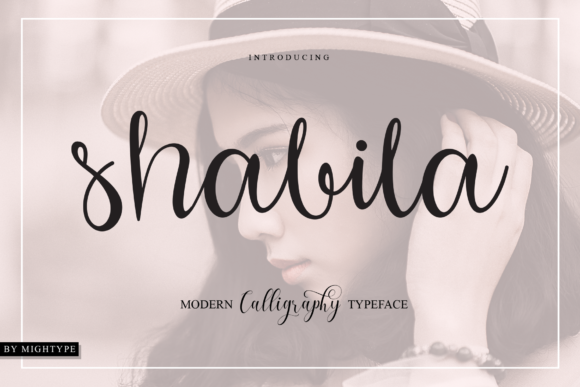
As a creative consultant, I have tested hundreds of typefaces over the years. Most fall into two camps: they are either too messy to read or too rigid to feel human. Shabila, available through Script Amp, sits perfectly in the sweet spot. It is a cute and authentic handwritten font with a casual feel that adds a unique twist to any design idea without sacrificing professionalism. For small business owners, entrepreneurs, and online sellers, finding a typeface that balances personality with clarity is often the hardest part of building a brand identity. Shabila solves this problem effortlessly.
Why Authenticity Matters in Modern Typography
In today’s saturated market, customers are not just buying a product; they are buying into a story. Whether you run a boutique coffee shop, a handmade jewelry store, or a digital coaching practice, your visual consistency tells people who you are before they even speak to you. A generic sans serif font might look clean, but it rarely sparks an emotional connection. This is where a premium script font like Shabila shines.
The visual character of Shabila is relaxed yet deliberate. It mimics the natural flow of a marker or brush pen, complete with subtle variations in stroke width that make it feel organic. When I applied it to the candle labels, the difference was immediate. The text did not look like it was stamped by a machine; it looked like it was written with care. This perception of care builds trust. It signals to the customer that attention to detail extends beyond the packaging and into the product itself.
For brand builders, this distinction is crucial. Using a creative font that feels authentic helps your business look more polished and memorable. It transforms a simple transaction into an experience. When a customer receives a package with a thank-you card written in Shabila, it feels personal. It feels like a gift rather than a purchase.
Practical Applications for Everyday Business Materials
One of the strongest assets of Shabila is its versatility. While many display fonts are limited to large headlines, Shabila holds up surprisingly well in various contexts. Here is how I recommend using it across different touchpoints:
- Product Packaging and Labels: This is where Shabila truly excels. Use it for product names on skincare jars, bakery boxes, or candle tins. Its casual nature complements minimalist designs beautifully.
- Social Media Graphics: Instagram and Pinterest thrive on aesthetics. Use Shabila for quote overlays, sale announcements, or behind-the-scenes captions. It stops the scroll because it feels different from the standard corporate typography used by larger competitors.
- Thank-You Cards and Inserts: Include a handwritten-style note in every order. It reinforces the human element of your small business.
- Website Banners and Headers: Use it sparingly for main headings on your homepage or "About Me" section to add warmth to your web design.
- Menu Design: For cafés and bistros, Shabila works wonderfully for item names or special daily features, adding a touch of whimsy to the editorial design.
However, readability is key. While Shabila is legible, it is still a script font. I advise against using it for long paragraphs of body text or tiny legal disclaimers on the back of packaging. Instead, pair it with a clean sans serif font for smaller details. This contrast ensures that your design remains accessible while maintaining its charm.
Pairing Shabila for a Cohesive Brand Identity
A common mistake I see among new entrepreneurs is using too many decorative fonts at once. Shabila is bold in its personality, so it needs a quiet partner. Think of it as the lead singer; the rest of the band should support, not compete.
For a modern, clean look, pair Shabila with a geometric sans serif font. This combination works exceptionally well for tech-savvy handmade sellers or modern beauty brands. The starkness of the sans serif grounds the playfulness of the handwritten style, creating a balanced and trustworthy aesthetic. If you are aiming for a more romantic or vintage vibe, try pairing it with a classic serif font. The elegance of the serif complements the casual flow of Shabila, making it ideal for wedding invitations, boutique tags, or high-end confectionery packaging.
When designing for mobile screens or social media thumbnails, keep the pairing simple. Ensure there is enough contrast in size and weight. Let Shabila be the focal point for short phrases, logos, or decorative accents, and let the secondary font handle the informational heavy lifting.
Technical Considerations for Commercial Use
Before you download and start designing, it is important to understand the technical side of using Fonts in commercial projects. Shabila is designed to be user-friendly, but checking the included styles and file formats is essential. Ensure you have the correct license for your intended use. If you are selling physical products like mugs, t-shirts, or printed books, verify that your license covers merchandise. Most reputable sources like Script Amp provide clear guidelines for commercial font licensing, but it is always wise to double-check.
Also, consider the file formats. OpenType files often include ligatures and alternates that can enhance the natural look of the handwriting. These features allow letters to connect more smoothly, avoiding awkward gaps that can break the illusion of authentic handwriting. If you are using design software that supports these features, take the time to explore them. They can elevate your logo design and packaging design from good to exceptional.
Multilingual support is another factor to consider if you plan to expand your reach. Check if the font includes the characters necessary for your target audience. A consistent brand identity requires that your typography looks just as good in every language you serve.
Ultimately, Shabila is more than just a set of letters. It is a tool for connection. In a world where digital interactions often feel cold and impersonal, a handwritten font brings warmth back into the conversation. Whether you are refreshing a menu, updating your online shop banner, or printing stickers for your latest product launch, Shabila offers the perfect blend of casual charm and professional polish. It allows your brand to speak with a voice that is distinctly yours, helping you stand out in a crowded marketplace without shouting.